
White gives the strongest reflection. Selected colours can be checked before order.
Momentive GE Enduris GE Enduris Silicone Roof System. Written warranty route from 10 years.
Waterproofing support route
 GE Enduris Silicone Roof SystemWhite membrane · primer logic · detail treatment
White gives the strongest reflection. Selected colours can be checked before order.
Seams, fasteners, drains, AC bases and parapets are treated before the field coat.
Sound roofs stay simple. Corrosion, old coating and weak adhesion are separated in the specification.
Large clean areas can be applied efficiently; details are handled by hand first.
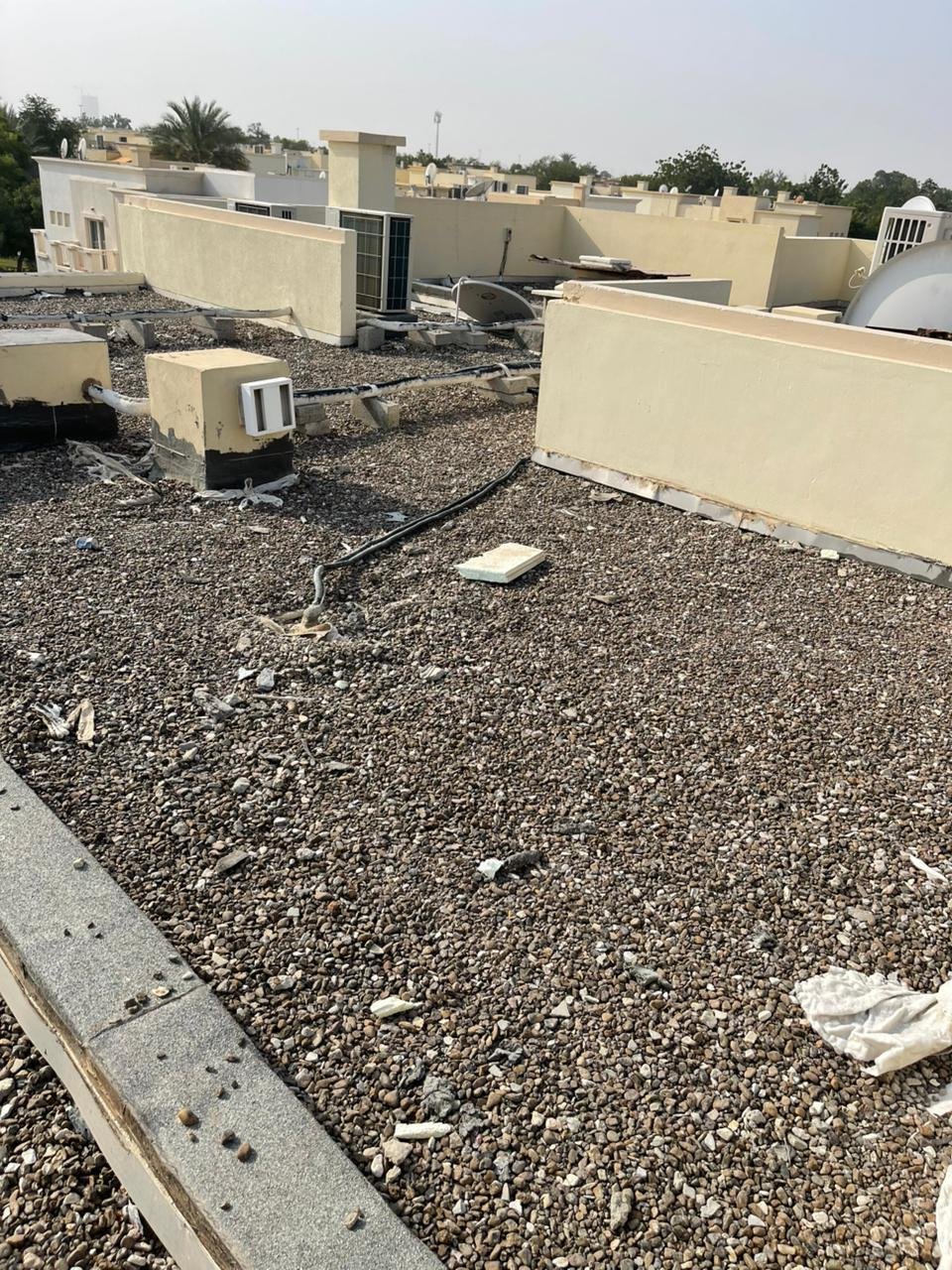
Yes, there is a real polyurethane system path for gravel-ballasted inverted roofs in Dubai.
This page is built for roofs where the waterproofing membrane sits below insulation, filter fabric and gravel ballast. For this roof type, exposed silicone patch logic is usually not enough. We now specify a GacoFlex LM60 polyurethane inverted roof membrane assembly path for qualified Dubai projects.
Inverted roofs require a fundamentally different approach to waterproofing and leak management compared to standard exposed membrane roofs.
In inverted roofs, the waterproofing membrane sits below the insulation and gravel ballast. This burial creates a different moisture and thermal stress profile than exposed systems.
Leak paths in inverted roofs are harder to trace. Water can travel laterally through the insulation layer before finding entry points below the membrane, making diagnostic inspection more technical.
Applying standard GE Enduris route on top of gravel is not a reliable repair for inverted roofs. The system needs a complete buried membrane assembly path to address the actual waterproofing layer.
GacoFlex LM60 polyurethane is specified for inverted roof membrane assemblies where the coating will be protected from UV and mechanical damage by overburden (insulation, filter fabric, gravel).
The waterproofing membrane is protected from UV, temperature extremes, and mechanical traffic by the overburden layers above it.
These are real gravel-ballasted inverted roof conditions we inspect in Dubai villa compounds and commercial properties.
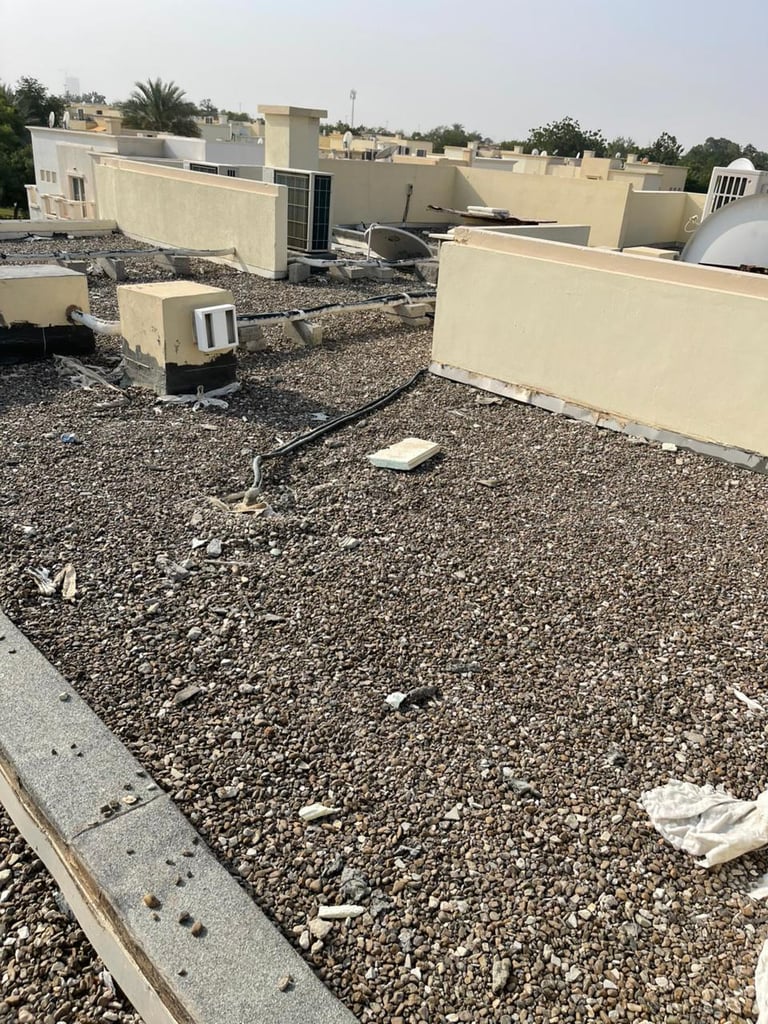
This roof features gravel ballast protecting the underlying membrane. HVAC units penetrate the assembly, creating potential leak paths that require technical inspection to assess properly.
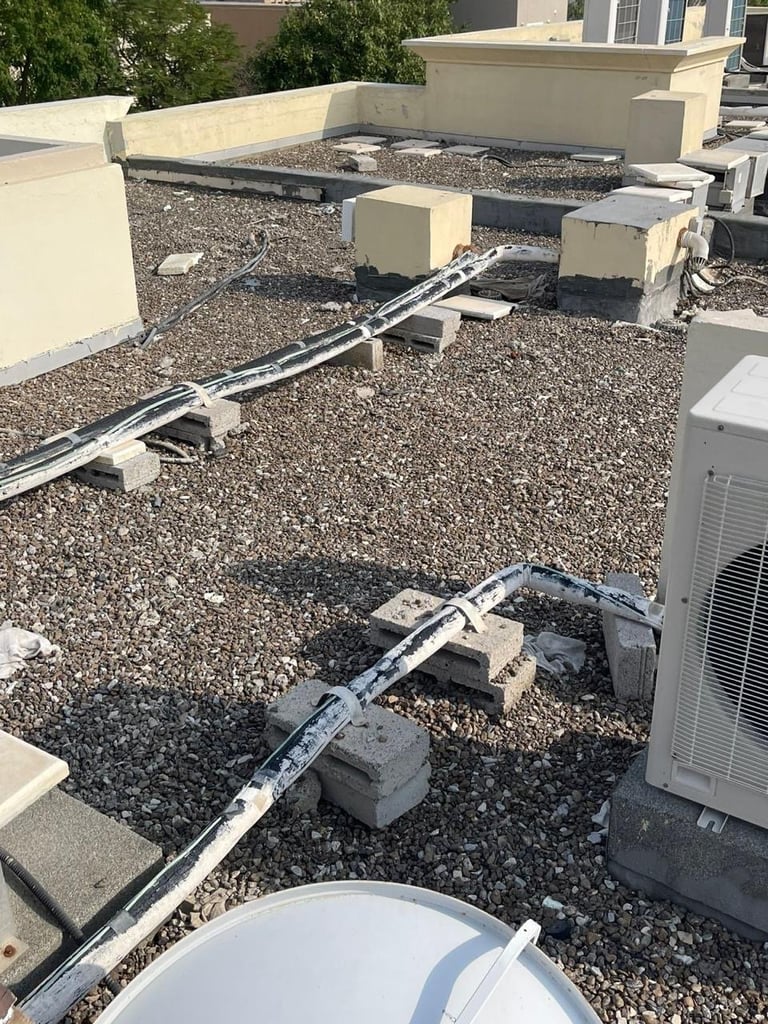
Multiple penetrations for conduit piping, HVAC supports, and parapet flashings create complex leak scenarios. Water can travel along these paths before showing inside the building.
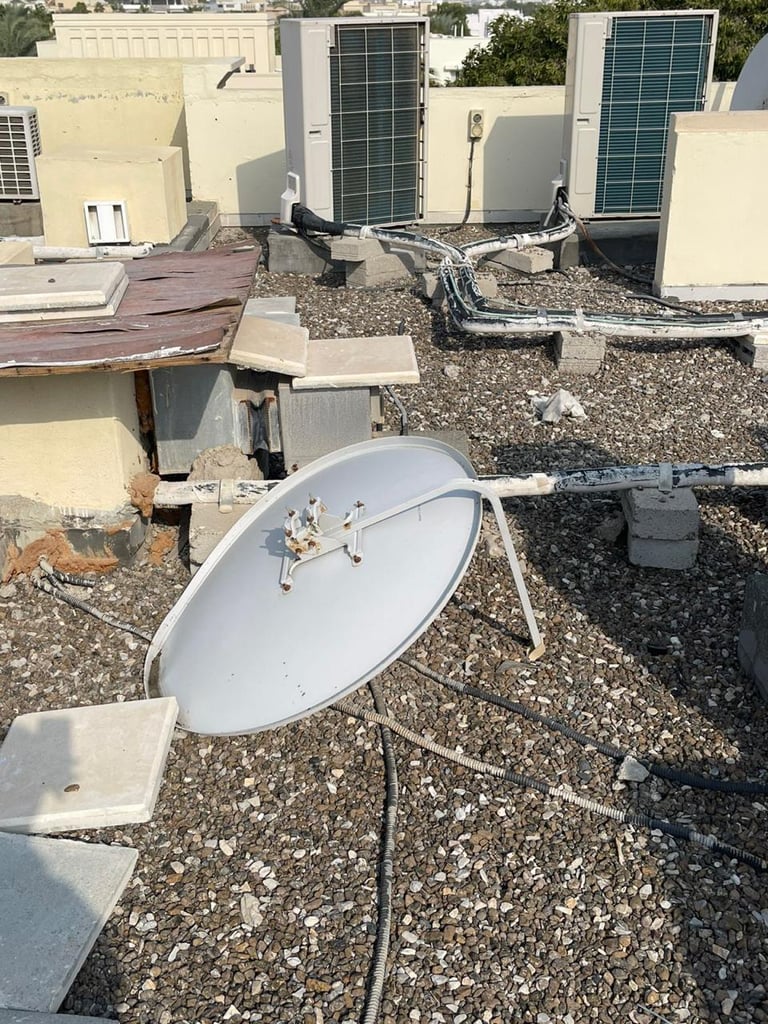
Real project conditions show the complexity of hidden membrane assemblies. Technical inspection determines whether repair or full system replacement is the correct path.
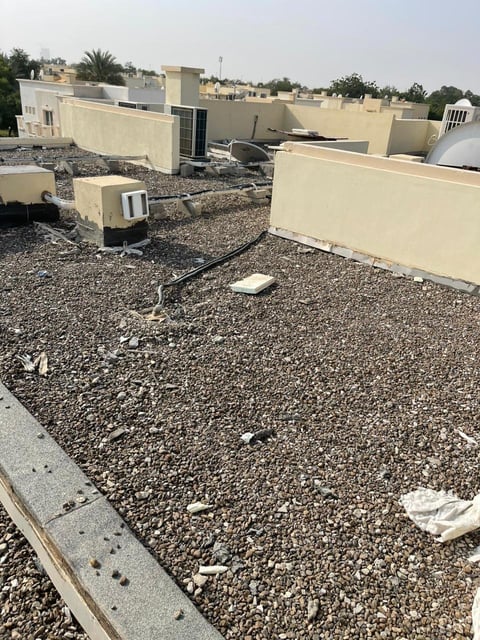
Inverted roofs with gravel ballast cannot be assessed by visual inspection alone. Our technical inspection evaluates membrane condition beneath the overburden, identifies moisture in insulation layers, and determines the appropriate repair or replacement path.
Start AI Roof CheckThe inverted roof waterproofing path is designed for specific roof types and project conditions. Not every roof qualifies for this system.
If you're uncertain whether your roof fits this category, start with our AI Roof Check to document your roof type and get an initial assessment.
Start AI Roof CheckReady to understand the correct waterproofing path for your gravel-ballasted or inverted roof? Get a technical assessment from our team.
Digital assessment tool
Complete our AI-powered roof assessment to document your roof type, condition, and get an initial evaluation of your inverted roof project. This is the recommended first step.
Start AI Roof CheckTakes ~3 minutes • Get your initial assessment
Prefer to chat? Use this option
If you prefer direct conversation, reach us on WhatsApp. We respond during business hours for questions about your inverted roof project.
WhatsApp UsOr contact us directly:
Technical answers about inverted roof waterproofing in Dubai.
An inverted roof (also known as IRMA – Inverted Roof Membrane Assembly) is a roof where the waterproofing membrane is installed below the thermal insulation and ballast layers, rather than on top. The typical build-up from top to bottom is: gravel ballast, filter fabric, insulation board, waterproofing membrane, and structural deck. This arrangement protects the membrane from UV radiation, thermal cycling, and mechanical damage, but makes leak detection and repair more technically challenging.
Generally no. Standard GE Enduris route applied on top of gravel does not address the actual waterproofing layer, which is below the insulation and gravel. Water penetrating through gravel and insulation will find its path regardless of surface coating. For inverted roofs, the correct approach involves either localized repair of identified membrane defects (where accessible) or a complete inverted roof membrane assembly path. Surface coatings on gravel may provide temporary moisture shedding but do not constitute a reliable waterproofing solution for this roof type.
We specify GacoFlex LM60 polyurethane membrane for qualified inverted roof projects in Dubai. GacoFlex LM60 is a cold-applied, fully adhered polyurethane membrane that forms a seamless, monolithic waterproofing layer. For inverted roof applications, it is specified as part of a complete membrane assembly path where the membrane will be protected by overburden (insulation, filter fabric, ballast). This is not a surface coating product – it is a structural waterproofing membrane for qualified roof assembly specifications.
The GacoFlex LM60 system offers different build specifications depending on warranty duration and project requirements. A typical 10-year system involves multiple coats to achieve the specified dry film thickness. A 20-year system typically requires additional coats and may involve reinforcement fabric at detailing areas. The exact specification depends on the roof condition, usage requirements, and inspection findings. Our team provides project-specific system specifications after technical assessment.
Inverted roof waterproofing system selection depends on multiple technical factors: roof area, ballast quantity and condition, insulation condition and whether it needs replacement, flashing and parapet details, penetration count and condition, and the selected warranty duration. We do not publish standard shortcut promises for inverted roof systems because each project requires technical inspection to define scope. Contact us for a technical assessment and technical route specific to your roof conditions.
Ready to get started? Complete the AI Roof Check first.
Professional inverted roof waterproofing services for Dubai, Abu Dhabi, and across the UAE.
Explore other waterproofing solutions available for your property.
GE Enduris Silicone Roof Coating UAE
RoofPilot is built around the exact questions property owners ask before they call: roof waterproofing Dubai, leaking roof after rain, villa roof waterproofing, townhouse terrace sealing, warehouse roof waterproofing, roof coating specification, and whether GE Enduris silicone coating is the right route for UAE heat. The first answer should be easy: share roof details, get the likely route, then decide if an inspection or full technical proposal makes sense.
Share roof type, weak details and approximate area before booking a site visit.
GE Enduris silicone coating is presented as the main route, with primer and detail work only when needed.
The client gets a practical technical direction before committing to inspection or full proposal.
Cool Roof CCG DWC-LLC connects the assessment, material route and contractor application team.
Silicone industrial roof protection
Metal roofs, gutters, skylights and commercial flat roofs fail in different places. RoofPilot is being shaped as the industrial decision layer: qualify roof details, confirm if the GE Enduris route fits, then move the right clients toward inspection and proposal.
Rust, fasteners, seams, side laps, gutters, skylight curbs and sandwich-panel movement.
Roof Gutter WaterproofingInternal gutters, valley channels, overflow zones and sheet-to-gutter transitions.
Commercial Roof WaterproofingFlat roofs, technical areas, service penetrations, drains and operational buildings.
Skylight WaterproofingCurbs, flashings, old sealant, roof-sheet joints and heat-movement cracks.
Industrial Roof CoolingReflective coating logic for heat-loaded warehouses, factories and commercial roofs.
Material clarity
Many waterproofing pages say "high quality materials" but do not explain the actual system. RoofPilot should make that gap obvious. A serious silicone roof decision still needs preparation, primer logic and detail treatment, but the client should understand the outcome first: cooler roof, leak-risk control and a clear scope.
The main product route for exposed UAE roofs where heat, UV, ponding-water risk and a clean reflective finish matter.
Used at cracks, seams, laps, fasteners, drains, skylights, penetrations, AC supports and parapet bases.
Embedded into wet silicone at high-movement and leak-risk details before the roof coating is completed.
Added only where oxidation, exposed fasteners or adhesion risk make it necessary for the silicone system.
Why selected projects only
Roof details and scope notes keep the offer tied to the actual roof.
Some roofs need reflective silicone only; some need leak details or inspection.
The client sees scope, technical direction, timing and warranty conditions before approval.
GE Enduris membrane performance
On suitable UAE roofs, silicone gives the client a very clear story: cooler surface, waterproofing support, no hot works and a clean white finish that can be maintained.
White silicone helps reflect sunlight instead of turning the roof into a heat battery.
The client sees a clean roof finish instead of patches from different repair cycles.
The silicone route avoids torch-applied work on roofs where a liquid coating system is suitable.
Drains, seams, fasteners and roof edges are checked before the field coating is sold.
Warranty terms are confirmed after roof assessment, inspection and the final agreed build-up.
Technical route, not blind numbers
Roof size, location and roof condition are enough for a first direction: small detail repair, silicone restoration or inspection-based full waterproofing system.
Fast inspection path for active rain leaks, ceiling stains, parapets, drains and AC penetration failures.
Waterproofing CompanyHow to judge contractor scope, warranty logic, inspection detail and repair risk before approval.
Metal Roof WaterproofingWarehouse and factory roof guidance for rust, seams, fasteners, gutters and GE Enduris route suitability.
Roof Gutter WaterproofingIndustrial gutter, valley, lap and overflow details checked before any membrane or coating is approved.
Skylight WaterproofingSkylight curbs, flashings, fasteners and roof-sheet transitions inspected as leak-risk details.
Industrial Roof CoolingCooling-focused roof coating guidance for warehouses, factories and heat-loaded commercial roofs.
Roof Sealing DubaiCompare ordinary roof sealers with inspection-first liquid membrane protection before choosing a contractor.
Sealing vs WaterproofingClear guidance on when a quick seal is enough and when the roof needs a full waterproofing system.
Villa Roof WaterproofingConcrete villa roofs, parapets, terraces, AC penetrations and drain details checked before coating.
Villa Roof CoolingPrivate house and villa heat-reduction route for roof cooling, reflective coating and waterproofing risk together.
Roof Tile CoatingConcrete tile, terracotta-style and coloured villa roof coating guidance before specification or campaign launch.
Private House RoofsResidential roof assessment for villas, townhouses, terraces, tile roofs and private home waterproofing.
Townhouse & Terrace WaterproofingConnected roofs, shared drains, balconies and terrace edges specified as one continuous waterproofing system.
Flat Roof WaterproofingExposed flat roofs protected against UV, heat movement, ponding water and failed old coatings.
Warehouse Roof WaterproofingLarge metal, concrete and sandwich panel roofs handled with minimal operational disruption.
Commercial Roof WaterproofingTechnical roof areas, equipment penetrations, drainage zones and large commercial surfaces.
Abu Dhabi Roof WaterproofingVilla, school, warehouse and commercial roof inspection routes for Abu Dhabi owners and facility teams.
School Roof WaterproofingCampus, classroom-block and school roof leaks checked with safety, access and documentation in mind.
Roof Assessment DubaiDiagnostic roof review before deciding between local repair, membrane waterproofing or coating.
Jebel Ali / JAFZAIndustrial roof waterproofing guidance for logistics, factory and warehouse roofs in Jebel Ali and JAFZA.
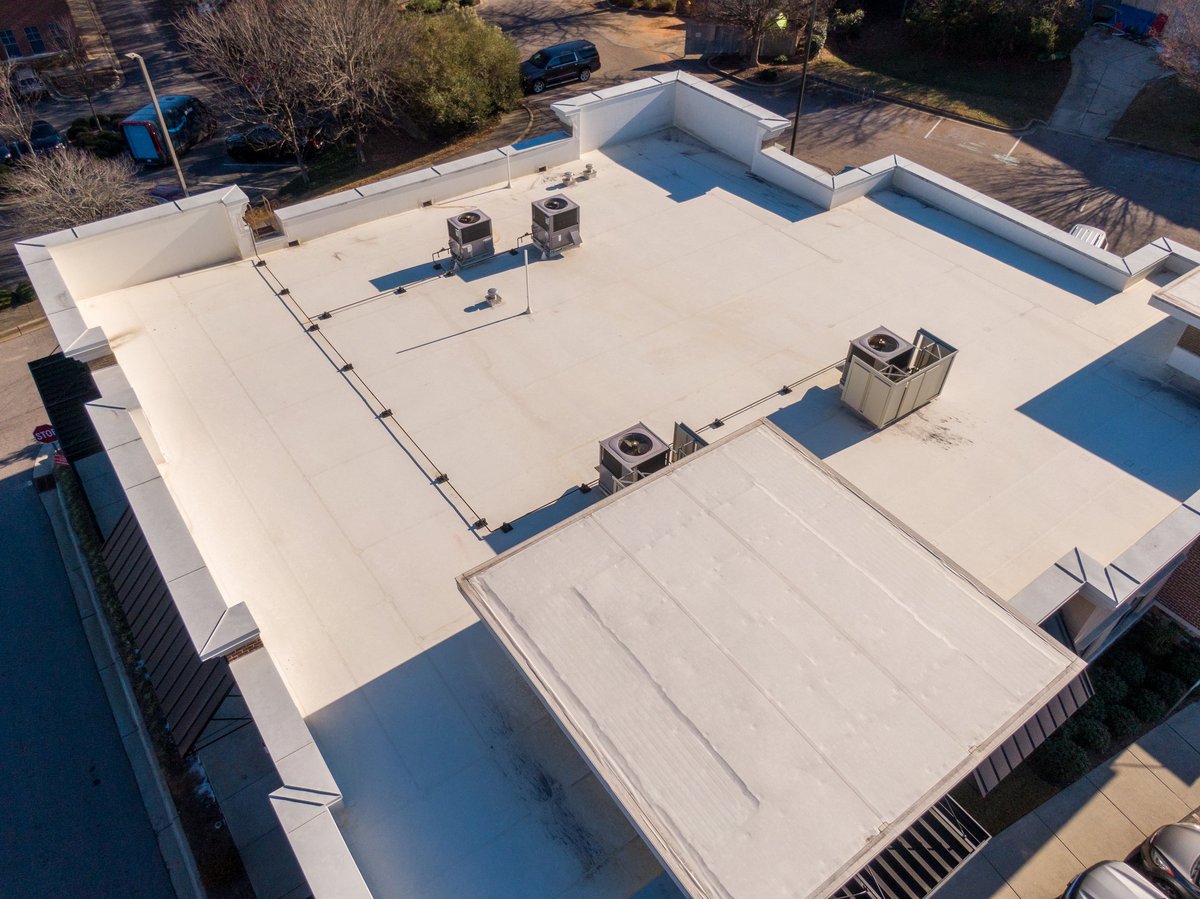 UAE RoofPilot verified roof context
Relevant roof context
RoofPilot uses real inspection context before specifying waterproofing, coating or repair.
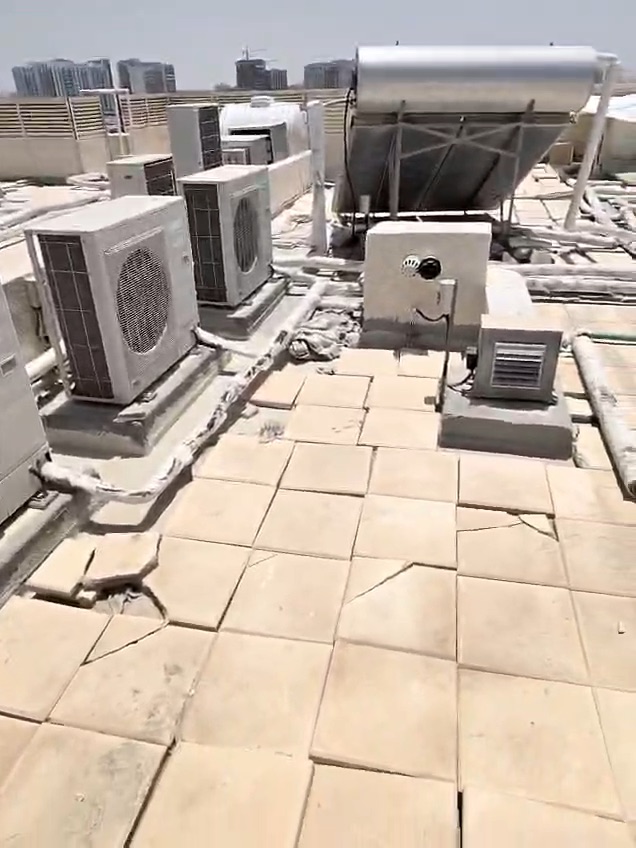
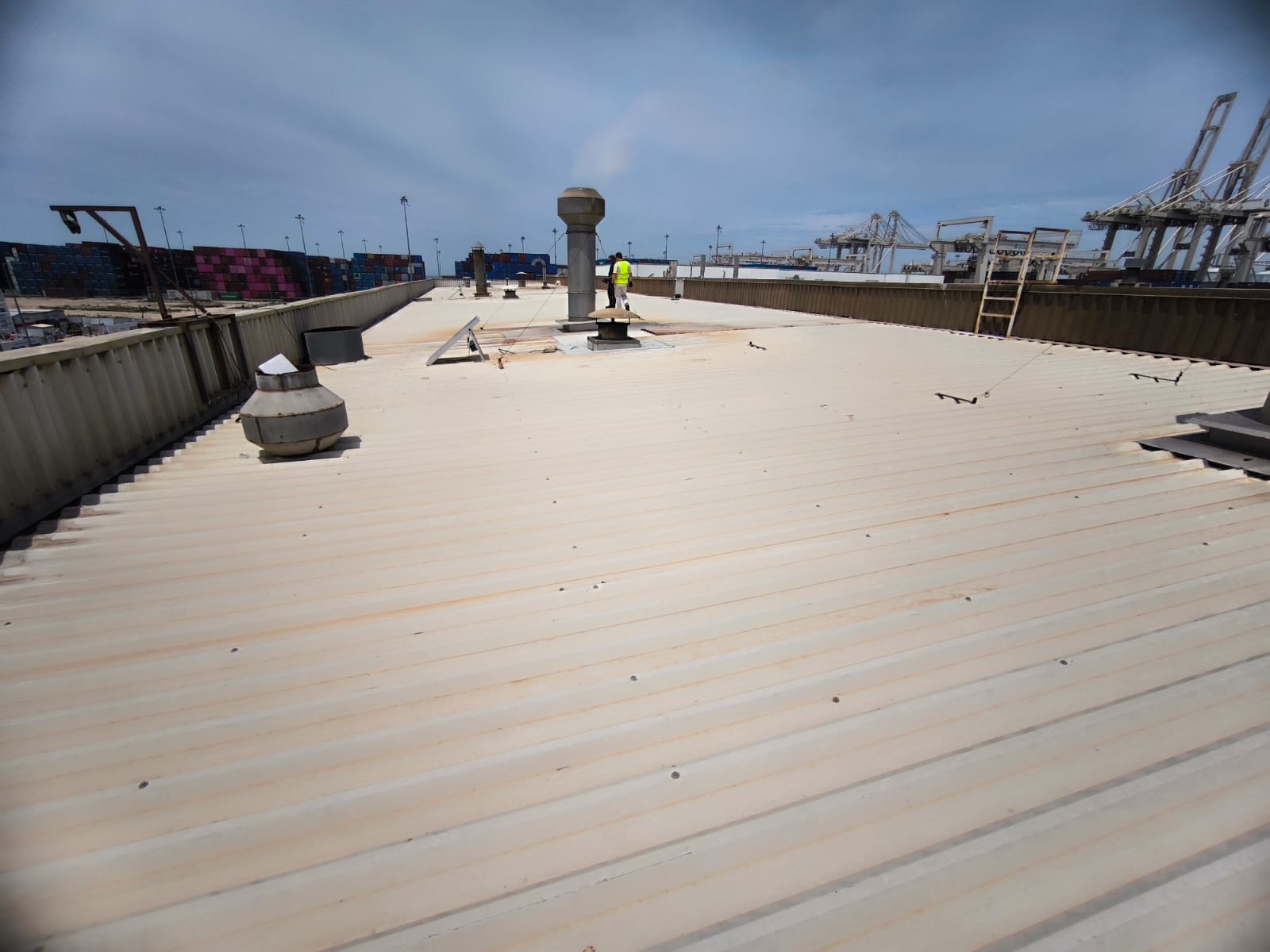
Our roof context
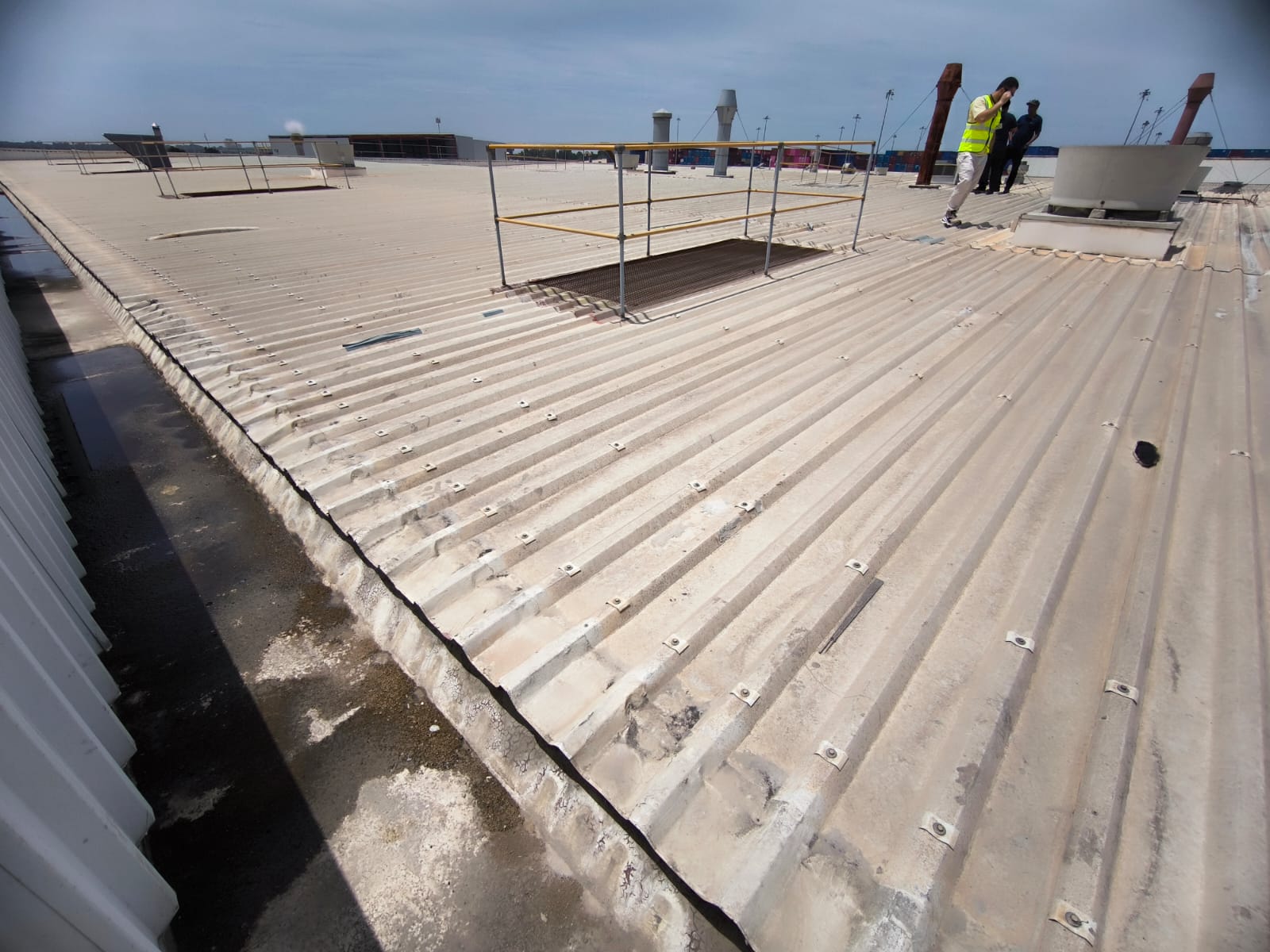
The roof surface, drains, parapets, AC bases and existing coating decide whether a simple silicone route is enough. Villa roofs, townhouses, warehouses and commercial roofs all look different, so RoofPilot starts with roof context before pushing the client into a visit.
Who we are
UAE RoofPilot exists because most roof enquiries in Dubai start in confusion. One owner sees a water stain after rain. Another has a warehouse roof heating the building all day. A facility manager needs to stop leaks without disrupting operations. A villa owner needs a realistic technical route before inviting another contractor to site.
The problem is that roof waterproofing is often sold too quickly: a square-meter promise, a generic membrane name, and a claim that everything will be fine. RoofPilot was built to make the first decision easier: is this roof suitable for GE Enduris silicone coating, does it need leak-detail work, or should we inspect before specifying?
Behind RoofPilot is Cool Roof CCG DWC-LLC, a Dubai South registered company focused on roof waterproofing, heat-reflective coating and industrial roof protection. We do not want the website to behave like a paint catalogue or a weak repair directory. The offer is a professional GE Enduris silicone roof coating route: clear system, technical direction and a controlled installation.
That is why RoofPilot leads with the product and the outcome: cooler roof surface, cleaner waterproofing route, weak-point control, and warranty conditions confirmed before the client approves the job.
Better first decision
The first step is simple: roof size, roof type and location. We confirm whether the roof looks like a GE Enduris route job, a waterproofing-detail job or a site-inspection case.
Roof inspection, detail record, leak source and drainage review before final specification.
Quick square-meter promise before the roof details are understood.
Cracks, drains, parapets, AC bases and penetrations are specified as failure points.
Visible field area is coated while critical details remain under-scoped.
Documented preparation, system build-up, thickness logic and warranty conditions.
General promise without project evidence or clear responsibility.
Long-term roof protection, heat reflection and maintenance planning.
Temporary patch cycle that often returns after heat, UV and rain.
Specification direction
Final system commitment still depends on roof size, access, old coating condition, drains, penetrations, primer and detail work. But the first client output should be clear: the likely system route, what is included, and what can change after inspection.
Application route
Common roof leak questions
In Dubai, roof leaks usually come from cracked waterproofing, weak drain details, failed parapet joints, old bitumen layers, blocked outlets, or movement around AC and pipe penetrations. Heat and UV make small defects open faster, so a roof inspection should check the surface, details, slope, and drainage before any coating is specified.
A permanent repair starts with finding the water entry point, not only patching the wet ceiling. RoofPilot checks cracks, drains, parapets, penetrations, ponding zones, and the old waterproofing layer, then specifies cleaning, detail repair, primer if required, and a continuous silicone or waterproofing system.
For many exposed flat roofs, high-solids liquid-applied GE Enduris waterproofing is a strong option because it resists UV, heat, standing water and thermal movement better than many basic acrylic or low-grade coating systems. The correct system still depends on substrate condition, old membrane type, moisture, slope, reinforcement details and drain work.
Often yes, but only after inspection and preparation. Loose material, wet layers, contamination, weak adhesion, cracked details and unstable old coatings must be handled first. Some roofs need primer, local repairs or reinforced detail treatment before a liquid membrane can perform correctly.
The right system depends on roof size, access, substrate condition, old waterproofing, ponding water, crack repair, drain details, primer requirement, reinforcement and specified coating thickness. RoofPilot avoids blind square-meter promises because they can hide the real failure points. The first step is a roof review, then a technical scope recommendation.
Low-grade coatings often fail because they do not handle UV, high surface temperature, standing water, structural movement or poor preparation. In UAE conditions, the detail work around drains, parapets, AC penetrations, terrace corners and old membrane transitions is usually where weak repairs fail first.
Yes. RoofPilot is structured around roof assessment for villas, townhouses, terraces, flat roofs, warehouses, commercial roofs, industrial buildings and inverted roof systems. The inspection determines whether the roof needs leak repair, full waterproofing, GE Enduris restoration, reinforced detail work or drainage correction.
A professional roof inspection checks the surface, drainage, parapets, joints, penetrations, existing waterproofing, moisture signs, ponding zones and access conditions. The goal is to identify leak sources and specify the right liquid membrane, GE Enduris route or detail repair instead of guessing from photos only.
Part of CoolRoof UAE